
Mudbloods and Murmurs
Day 4
Chapters 7-9
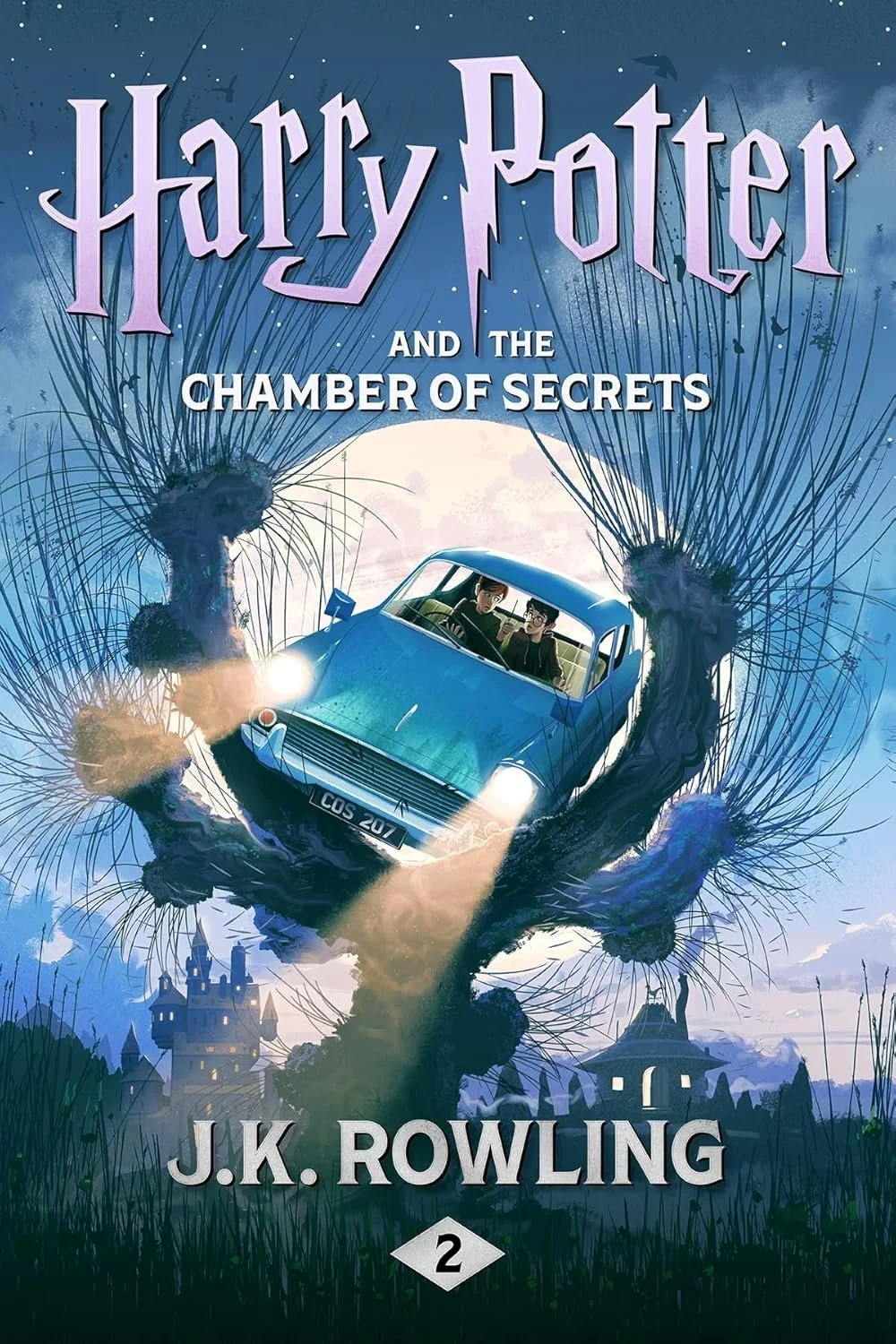
Welcome back to our Chamber of Secrets deep dive. Day 4 brings three chapters that shift the tone of the book dramatically. What begins as schoolyard conflict quickly expands into something older, darker, and deeply rooted in the magical world’s past.
Chapter 7: Mudbloods and Murmurs
Chapter 7 marks a turning point in Chamber of Secrets, pulling back the curtain on the uglier side of the wizarding world. During an argument on the Quidditch field, Draco Malfoy calls Hermione a filthy mudblood; a word so foul that the reaction around them says everything before the definition is even given. The shock, and the immediate outrage from the Gryffindor team make it clear that this is not just an insult, but something deeply rooted in wizarding prejudice.
Ron’s response is immediate and explosive. His attempt to curse Malfoy backfires spectacularly, but the intent is unmistakable: a fierce, instinctive defense of Hermione. 100 points to Gryffindor!
The meaning of the word “mudblood” lands with full weight when Ron explains it. “Dirty blood.” A slur for Muggle‑born witches and wizards. A term that exposes exactly where the Malfoys stand in the hierarchy they believe in. This is the moment the book stops hinting at blood purity ideology and names it outright.
The book‑to‑movie comparison adds another layer. In the novel, Hermione doesn’t know what the word means, and that lack of understanding softens the blow. In the film, she does know, and she’s the one who explains it. The emotional tone shifts depending on the version: innocence in the book, painful awareness in the movie. Which do you think landed best? The book or the movie?
Let’s backtrack a bit. This scene takes place at Hagrid’s hut, and when the group arrives Lockhart has once again popped up where he isn’t wanted. Hagrid’s irritation is obvious. He mentions Lockhart’s unsolicited visit and his supposed advice on removing kelpies from wells, adding that if Lockhart had truly done half the things he claims, he’d eat his kettle. This moment adds to the growing list of people who doubt Lockhart’s credibility. Where do you fall? Do you side with Ron — that Lockhart is full of it? Or with Hermione — that he’s just… insufferable, but not necessarily lying?
Remember when Harry and Ron damaged the whomping willow? Of course you do. Detention is finally assigned: Ron polishing the trophy room with Filch, and Harry helping Lockhart answer his mountain of fan mail. Both punishments are miserable in their own way, each highlighting a different kind of suffering. Who do you think got it worse?
The chapter closes on a chilling note: the disembodied voice only Harry can hear. Cold, murderous, and impossible to explain. Is this book about to get dark?
Chapter 8: The Deathday Party
Halloween arrives at Hogwarts, and as always, it promises spectacle. But instead of attending the feast, Harry, Ron, and Hermione are invited to a far stranger event: Nearly Headless Nick’s 500th Deathday Party. I’m so excited about this part but not for the party itself. We get some information that I have been up in arms about figuring out myself. What year it is in the books, and what year Harry was born. Nick died on October 31, 1492, which gives the series one of its rare, fixed dates. With this information, the current year becomes clear: it is October 31, 1992, placing Harry’s birth year in 1980.
Leaving the party, Harry hears the same chilling voice he encountered earlier and it’s still cold, murderous, and once again, Harry is the only one who hears it.
They arrive at a horrifying scene: words written on the wall:
THE CHAMBER OF SECRETS HAS BEEN OPENED.ENEMIES OF THE HEIR, BEWARE.
Below the message hangs Mrs. Norris, stiff as a board, suspended by her tail. Before they can process what they’re seeing, the Halloween feast ends and students flood the corridor. The trio is caught standing directly beneath the message and the cat, and the entire school witnesses them at the scene. A perfect cliffhanger that propels the story into its darker second act.
Chapter 9: The Writing on the Wall
Chapter 9 opens with Gilderoy Lockhart once again proving how wildly out of his depth he is. He confidently announces that Mrs. Norris has been killed, only for Dumbledore to gently correct him and explain that she is petrified. The contrast is almost comedic: Lockhart performing for attention while Dumbledore quietly handles the situation with competence and calm. It brings to mind a moment a chapter or two earlier when Hermione, trying to defend Lockhart, wondered why Dumbledore would hire someone so unfit for the job, and Hagrid explained that no one else wants it. Which now makes me wonder: if the role is so hard to fill, and Snape actually wants it… Hello, Dumbledore? Just saying. (No spoilers, please—I’m not done with the series yet 😊)
Snape’s behavior in this chapter adds a layer of dry humor. His attempt to have Harry suspended from Quidditch is transparently self‑serving, a thinly veiled attempt to give Slytherin an advantage. McGonagall’s “seriously Severus” makes the scene that much funnier. And while Snape may not be a favorite character of mine, his irritation becomes unexpectedly entertaining when Lockhart tries to insert himself into the discussion about brewing the Mandrake Draught. Snape’s reminder that he is the Potions Master is a moment of pure satisfaction for me.
This chapter also deepens the lore of Hogwarts. The conflict between Salazar Slytherin and Godric Gryffindor is laid out clearly: a fundamental disagreement about who should be allowed to study magic. Slytherin’s departure from the school and the creation of a secret chamber containing a horror meant to purge “unworthy” students reveals the ideological roots of the current crisis. The Chamber of Secrets is not just a myth as Professor Binns thinks. It is a legacy of prejudice embedded in the school’s foundation.
Rumors begin to spread quickly, and Harry becomes the center of them. Whispers claim he is the Heir of Slytherin, destined to unleash the terror from the chamber upon the school.
Moaning Myrtle’s introduction adds another layer of tragedy. Her reactions and demeanor suggest a history of severe bullying during her time at Hogwarts.
The trio begins forming their own theories, and they conclude that Draco Malfoy is the Heir of Slytherin. What do you think? The evidence is circumstantial, but the suspicion fits neatly into everything they already believe about him.
Hermione’s idea to use Polyjuice Potion to get a confession from Draco is bold, risky, and almost guaranteed to lead to trouble. Does it sound like a good plan? Or like the beginning of a disaster?
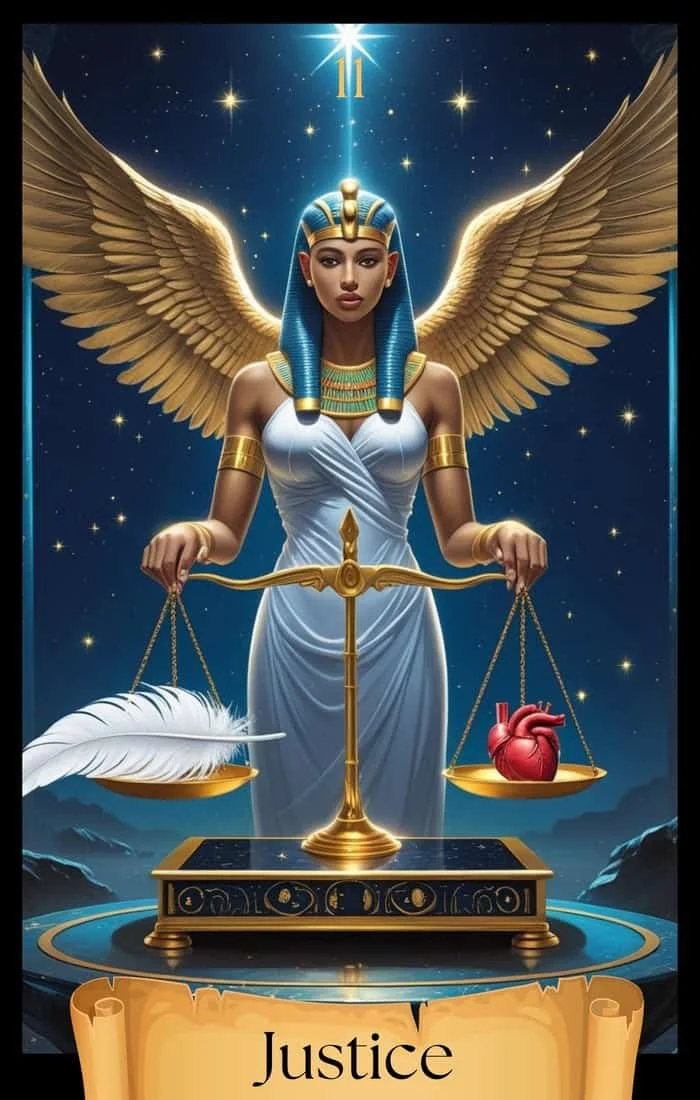
🔮 Tarot Tie‑In: Justice
The tarot card that resonates most strongly with Chapters 7–9 is Justice. A card tied to truth, fairness, consequences, and the exposure of hidden wrongs.
Notes from Ravenclaw Tower
Chapters 7–9 mark the moment when our story gets a little darker. Hogwarts’ buried history rises to the surface, and we get a closer look at what lies beneath the magic and the wonder of the wizarding world. Everything we know has been part of Harry’s past, way before he can even remember. But now, things are bubbling to the surface. Dark days are ahead. Also, what began as schoolyard tension now stretches back centuries, tying the present to the founders themselves.
How did Draco calling Hermione a mudblood shift your understanding of the wizarding world’s social structure?
Do you think the book or movie handled Hermione’s reaction more effectively?
Do you believe Draco is a convincing suspect as the Heir of Slytherin at this point in the story?
Does Hermione’s Polyjuice plan sound clever, reckless, or both?
Before you head out, I’d love to hear from you:
What’s your Hogwarts house? Which Hogwarts class would you sign up for first this year?
And a gentle reminder: We still have readers experiencing the series for the first time. Please keep the comments spoiler‑free beyond the chapters we’ve covered. Let’s keep this space magical for everyone.
Tomorrow we continue deeper into the mystery — and the danger.
